Share this webinar:


The site is secured and the fast chargers are planned. The grid operator says: full connection capacity only in 2031.
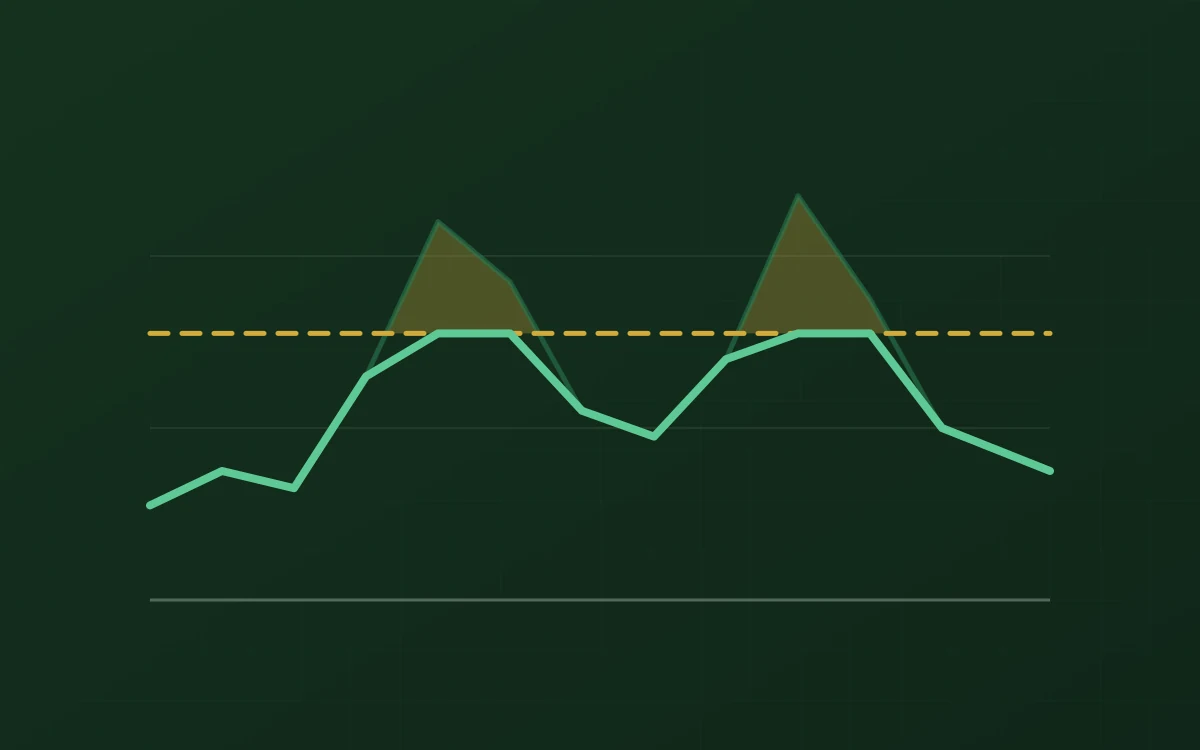
Waiting means four years without revenue. Building means HPC capacity on a connection that is too small for it. A battery storage system buffers the peaks and makes the charging park possible today.
Technically, this is solvable. The open question is whether the project as a whole pays off. Demand does not arrive all at once. The share of electric vehicles in traffic rises, electric trucks join in, and new charging parks nearby draw away customers. Utilisation changes every year. And once the full connection is in place, the storage system needs a new job.
If you size the storage system on a single year, you model either the weak first year or a fully utilised target year. Either way you get a figure that never actually occurs.
Felix and Leon show you:
- How to forecast the demand of a public fast-charging park year by year, based on traffic, share of electric vehicles and competition at the site
- How to model the charging park in phases: limited connection today, full connection later, rising utilisation in between
- Which storage size is optimal over the entire project lifetime and not just in the first year
- What the storage system still earns once the full connection is in place
- What the planned grid connection package changes for storage systems at existing connections and where the procedure stands
45 minutes, live in minimum energy on an example site. For planners, operators and energy utilities who want to build charging infrastructure today and cannot wait for the grid.
Register now.
Die Ausgangslage
Die Lösung
Im Webinar
Das nimmst du mit